
The Allure of Chance
The thrill of chance is one of the most potent attractions of casino games. Players are drawn to the unpredictability that these games offer, as each roll of the dice or spin of the wheel brings with it the potential for both excitement and reward. This randomness engages the brain’s reward system, releasing dopamine, a neurotransmitter associated with pleasure and motivation. As a result, every winning moment creates a heightened emotional response, fostering a desire to continue playing in hopes of experiencing that same rush again. Additionally, many enjoy exploring online betting canada options that enhance their overall gaming experience and provide diverse opportunities for entertainment.
This desire to chase wins is often compounded by near-miss scenarios, where players come close to winning but fall short. Such experiences can actually enhance player engagement. Research shows that near-misses can trigger the same neural responses as actual wins, leading individuals to feel as though they are on the verge of success. This illusion keeps players invested in the game, leading them to continue betting in the hopes of ultimately hitting the jackpot. The psychological impact of near-misses can be more powerful than outright wins, as they ignite a sense of hope and anticipation, even amidst losses.
Furthermore, the design of casino games is meticulously crafted to enhance this sense of excitement. The use of bright colors, engaging sounds, and inviting visuals creates an immersive atmosphere that entices players to spend more time and money. The integration of sensory elements is not incidental; it is a strategic approach to foster an environment where players feel exhilarated. Understanding this psychological pull is essential for both players and casino operators alike as they navigate the fine line between entertainment and gambling addiction. The allure of chance is not merely about luck; it is a carefully constructed experience that plays on human emotions and psychological responses.
The Role of Environment
The physical environment of a casino plays a critical role in influencing player behavior. Factors such as lighting, sound, and layout can significantly impact a player’s experience and decision-making process. Casinos are designed to be visually stimulating yet comfortable, often eliminating natural light to create an environment where time seems to stand still. This manipulation of the surroundings keeps players engaged and often unaware of how long they have been gambling. The strategic use of ambient lighting creates a sense of intimacy and excitement, encouraging players to lose track of time as they chase their next win.
The auditory elements of a casino also play a significant role. The sounds of slot machines paying out, laughter, and chatter create a lively atmosphere that contributes to a sense of camaraderie among players. Research indicates that these auditory cues can enhance the overall enjoyment of the gaming experience, prompting players to spend more time engaging in games. The lively soundscape is designed to create a euphoric atmosphere, reinforcing positive associations with the gaming experience. This audio-visual stimulation can create an almost euphoric state, encouraging individuals to dive deeper into the gaming experience.
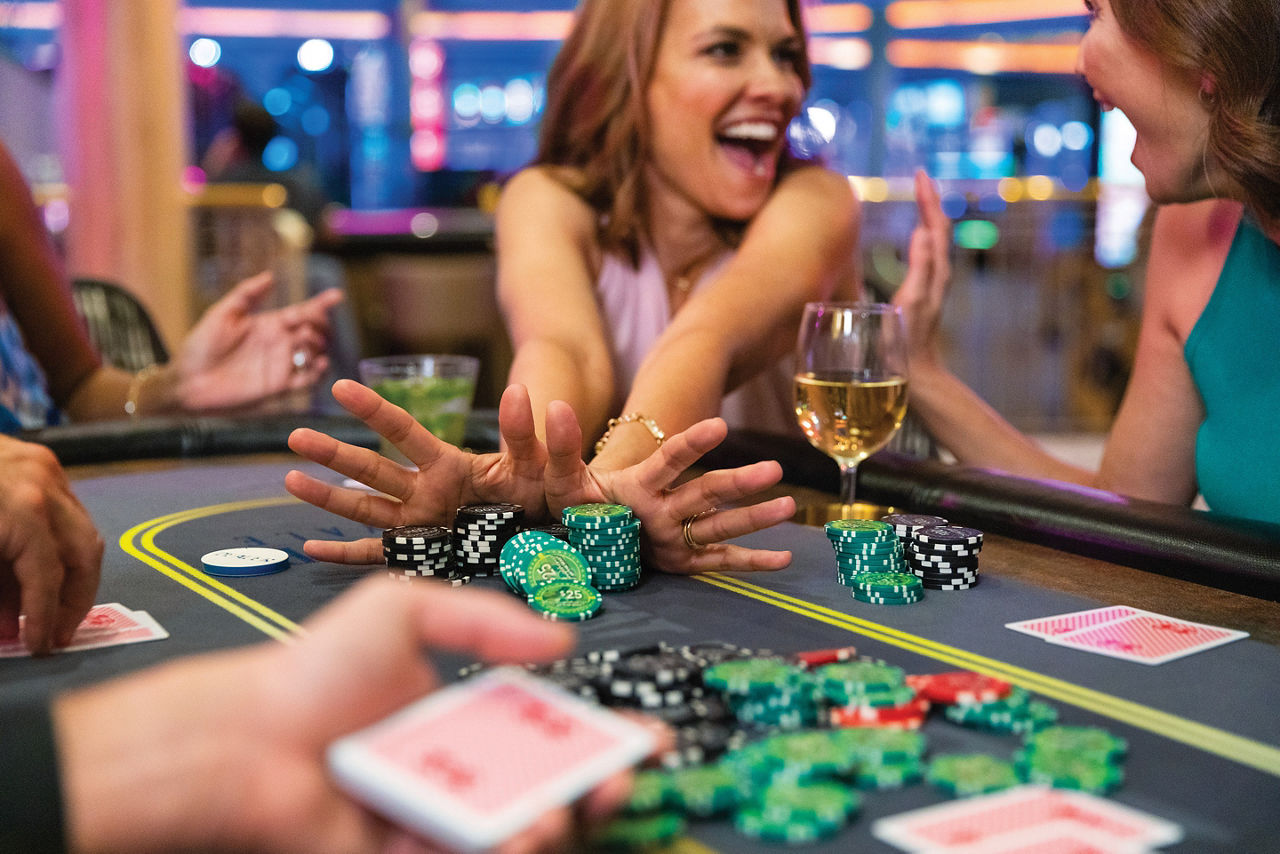
Moreover, the strategic placement of games is designed to draw players in and keep them circulating through the casino floor. High-traffic areas often feature the most popular games, while less popular options are tucked away in quieter corners. This deliberate flow ensures that players encounter a variety of gaming experiences, increasing the likelihood of continued play. By crafting an environment that stimulates the senses, casinos maximize the potential for players to spend their money and enjoy the thrill of the game. Understanding how these physical elements work together can provide insight into player behavior and the casino’s ability to keep patrons engaged for extended periods.
Cognitive Biases in Gambling
Understanding cognitive biases is crucial when exploring the psychology of gambling. One common example is the “gambler’s fallacy,” the belief that past events can influence future outcomes in games of chance. Players may think that after a string of losses, a win becomes more likely, despite the fact that each game is independent. This misconception can lead players to take greater risks, believing they are due for a win, and often results in increased losses. The gambler’s fallacy illustrates how distorted perceptions can lead individuals to make irrational decisions based on emotions rather than logical reasoning.
Another bias that affects players is the “illusion of control,” where individuals believe they can influence the outcome of games through skill or strategy. This is particularly prevalent in games like poker or blackjack, where players can strategize and make decisions. This belief provides a false sense of security, leading players to take greater risks than they might otherwise consider. The end result is often a cycle of chasing losses and an inability to recognize when to walk away. Recognizing these biases can empower players to make more rational decisions, potentially mitigating the risks associated with gambling.
These cognitive biases are not only fascinating psychological phenomena; they also serve as a reminder of the importance of awareness in gambling. By recognizing these biases, players can make more informed decisions and potentially mitigate the risks of developing gambling-related problems. As casinos continue to evolve, understanding the psychology behind these biases is key to creating a more responsible gaming environment. Educating players about these cognitive traps can help them navigate their gaming experiences more wisely, fostering a healthier relationship with gambling in the long run.
Behavioral Influence of Rewards
Rewards are a fundamental aspect of casino gaming, serving to motivate players and sustain their engagement. The principle of reinforcement is at play here; positive outcomes, whether small wins or bonuses, encourage players to continue participating in games. Casinos often employ strategies such as comp points, loyalty programs, and jackpots to create an environment where the potential for reward is ever-present, making it challenging for players to resist the urge to gamble. The anticipation of rewards can be just as powerful as the rewards themselves, creating an addictive cycle of play.
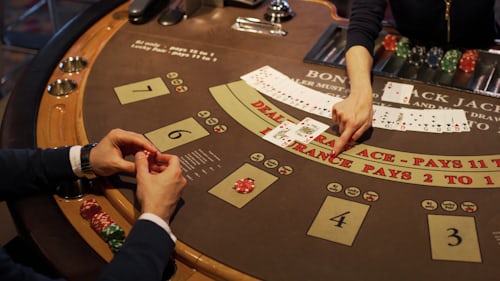
The reward system is not just about winning; it’s also about the anticipation of winning. The excitement that comes from the possibility of a big win can be even more alluring than the win itself. This psychological principle is evident in the design of slot machines, where colorful graphics and enticing sounds build anticipation with each pull of the lever or press of the button. Players can experience a rush of excitement even before the outcome is revealed, creating a cycle of play that can be difficult to break. The thrill of potential rewards keeps players engaged, often blurring the lines between entertainment and obsession.
Moreover, the frequency of small wins plays a crucial role in keeping players engaged. These regular, albeit small, payouts reinforce behavior and lead to the perception that winning is achievable. This constant reinforcement can blur the lines between entertainment and addiction, as players may find themselves returning to the machines time and again, driven by the thrill of chasing that elusive big win while potential losses accumulate. Understanding the impact of reward structures in casino games can help players recognize the psychological triggers that drive their behavior, enabling them to approach gaming more consciously and responsibly.
Exploring More on Our Website
On our website, we delve deeper into the fascinating world of casino games and the psychology underpinning them. We explore various aspects of gaming, including insights into player behavior, strategies for responsible gaming, and tips for understanding how emotions and cognitive biases influence decisions at the tables. Our goal is to equip players with the knowledge they need to navigate the exciting yet unpredictable landscape of casino gaming sustainably. We believe that informed players can enjoy their experiences while maintaining a healthy perspective on gambling.
We provide valuable resources, including expert articles and guides that cover everything from the history of gambling to modern trends and innovations in the industry. By fostering a community of informed gamers, we aim to enhance the overall gaming experience, ensuring it remains enjoyable without crossing the line into problematic behavior. Our commitment to educating players reflects a broader goal of promoting responsible gaming practices that benefit the entire gaming community.
Whether you are a seasoned player or a curious newcomer, our website serves as a hub of information and insights. Join us in exploring the intricate relationship between psychology and casino gaming, and make informed choices that enhance your enjoyment while promoting a healthy approach to play. We invite you to engage with our content and become part of a community that values knowledge and responsible gaming.